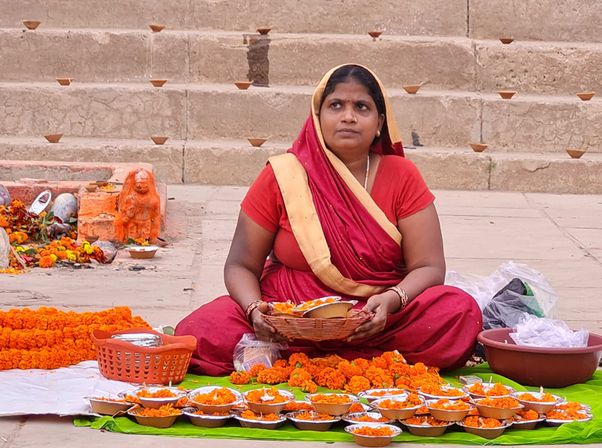
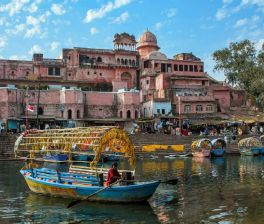
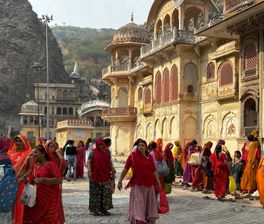
Отправьтесь в увлекательную 15-дневную одиссею по культурному и духовному центру Индии, начиная с оживленных улиц Дели. Исследуйте исторические жемчужины Джайпура, такие как Красный форт и Джама-Масджид, а затем погрузитесь в королевское великолепие Джайпура, посетив форт Амбер и Городской дворец. В Агре полюбуйтесь захватывающим дух Тадж-Махалом и фортом Агра, символами вечной любви и величия
Великих Моголов.
Отправляйтесь в Орчху, где древние храмы и величественные форты рассказывают истории ушедшей эпохи. Отправляйтесь в Варанаси, самый старый из ныне живущих городов мира, где духовность течет вдоль священной реки Ганг. Станьте свидетелем завораживающих ритуалов и погрузитесь в мистическую атмосферу этого святого места. Затем посетите город Читракут, известный своей связью с изгнанником Господа Рамы, и ощутите спокойствие священных мест этого города. Переезд в Праяградж, где слияние рек имеет глубокое религиозное значение
.
Вернитесь в Варанаси для дальнейших исследований, а затем завершите свое паломничество в Айодхью, место рождения Господа Рамы. Откройте для себя храмы этого святого города и погрузитесь
в божественную ауру этого священного города.
Путешествуя по этим очаровательным местам, вы погрузитесь в духовную сущность и культурное богатство, которые характеризуют неподвластное времени очарование Индии и оставят воспоминания на всю жизнь.
Познакомьтесь с культурными и классическими достопримечательностями Индии.
Посетите старейший и крупнейший азиатский рынок специй в Дели.
Исследуйте город Джайпур, внесенный в список Всемирного наследия ЮНЕСКО.
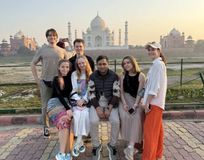
Посетите Монумент любви — Тадж-Махал в Агре.
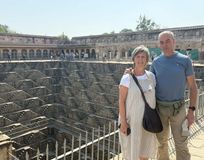
Посетите самый старый и глубокий ступенчатый колодец Индии — Чанд Баоли.
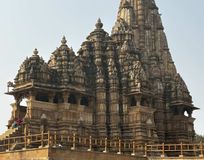
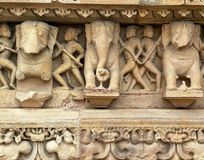
Посетите храмы эротической резьбы в Кхаджурахо.
Исследуйте самый старый из ныне живущих городов мира — Варанаси.
Остановитесь в городе Читракут, куда Господь Рама отправился в изгнание.
Посетите Айодхаю — город, где родился Господь Рама.
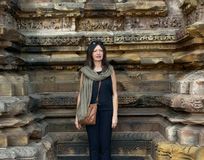
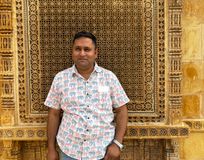
Меня зовут Мохсин Хан. Я родился и вырос в Агре, которая также известна как город Тадж-Махал, расположенный в индийском штате Уттар-Прадеш. Я старший сын в своей семье. Мое школьное образование было получено в английской средней школе в Агре, а для получения высшего образования я остался в Дели. Я окончил университет по русскому языку и индийской истории.
Я являюсь гидом регионального уровня, утвержденным Министерством туризма правительства Индии. Работаю гидом/руководителем тура с 2014 года. С 2014 года я провожу местные/внешние и однодневные/многодневные туры для FIT "S и групп.
Мои хобби - путешествия, прослушивание индийской музыки и изучение новых вещей. Я также хорошо читаю.
Мой путь в качестве гида/лидера в последние годы был довольно сложным, интересным, познавательным и обучающим. Больше всего в своей работе мне нравится то, что я много путешествую, вижу неизведанные места и встречаюсь с людьми разных стран и культур.
Индия как место назначения - это целый мир, в котором существует множество религий, культур, блюд и практик. Так что если вы собираетесь в Индию, посмотрите на нее моими глазами вместе со мной, вы обязательно это оцените.
Спасибо.
Программа
Получить на email
День 1. Arrival Delhi
Day 01
Arrival Delhi
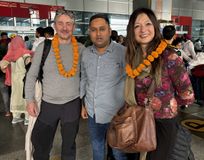
This tour begins with a pick-up at Delhi International Airport. Our representative will greet you with fresh garland and then you will be driven to your pre-booked hotel in Delhi.
Overnight stay in Delhi.
День 2. Sightseeing tour of Delhi
Day 02
Sightseeing tour of Delhi
After breakfast, you will begin your tour of Delhi with a professional guide who speaks your language.
Delhi, the capital of India, is a vibrant metropolis that seamlessly blends its rich historical heritage with the vibrant dynamics of modern life. Delhi, whose history dates back to ancient times, has witnessed the rise and fall of numerous empires, leaving behind a tapestry of diverse cultures and architectural wonders.
The city is home to iconic landmarks such as the Jama Masjid, India Gate and Qutub Minar, each of which narrates a chapter of India's past. The bustling streets of Old Delhi exude old world charm with narrow streets, bustling markets and the fragrant smell of street food. In contrast, New Delhi, with its wide avenues and colonial-era architecture, serves as the seat of the Indian government.
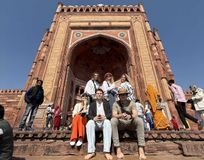
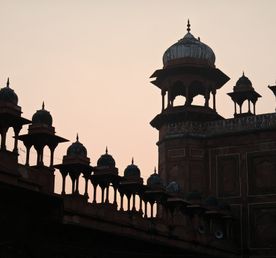
Jama Masjid: This is one of the most iconic places of Old Delhi. This grand mosque was built in the 17th century by the fifth Mughal Emperor Shah Jahan when the Mughal capital was shifted from Agra to Delhi. 25,000 believers can pray in this mosque at the same time. This is a fine example of Indian-Islamic architecture.
Spice Market: Old Delhi Spice Market, located in Chandni Chowk, is considered one of the oldest and largest spice markets in Asia. A visit to this market is a must to experience the busy streets and smell the different spices. Enjoy a rickshaw ride and explore the busy and narrow streets of Old Delhi.
Raj Ghat: This is the cremation site of one of the most respected and famous people of the world, Mahatma Gandhi (Great Soul Gandhi). He is a national hero and led many movements against the illegal activities of the British Raj in pre-independence India.
Humayun's Tomb: Believed to be India's first garden mausoleum, it is the final resting place of the 2nd Mughal Emperor Humayun. It was built in the 16th century by his widow Haji Bano Begam. The mausoleum is an excellent example of the fusion of Indian-Islamic architecture. The majestic mausoleum stands in the middle of a Persian-style Char Bagh Garden with water channels and fountains. This mausoleum complex is also known as the "Mughal Hostel" as it contains about 150 tombs of family members of the Mughal emperors.
India Gate: This is a war memorial that was erected in the 20th century pre-independence to commemorate the martyrdom of 13,000 soldiers who died in the First World War. This huge gate, 52 meters high, is built of sandstone and is a symbol of India.
Bangla Sahib Gurudwara: This is a famous Sikh house of worship in Delhi, famous for its serene sarovar (pool) and golden dome. Built in the 18th century, it is dedicated to the stay of Guru Har Krishan. Guru Dwara offers langar (free public meals) and embodies the Sikh principles of selfless service and equality.
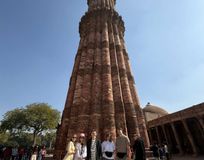
Qutub Minar: This is an iconic landmark of Delhi, India, a testament to the capital's rich history. Built in the early 13th century by Qutub-ud-din Aibak and later expanded by his successors, this UNESCO World Heritage Site features Indo-Islamic architecture. The towering minaret, reaching a height of 73 meters, boasts intricate slave inscriptions and ornate carvings. It is surrounded by historical structures such as the Quwwat-ul-Islam Mosque and the Iron Pillar. The Qutub Minar tells stories of Delhi's varied cultural influences, from the Qutub complex's beginnings as a tower of victory to its subsequent repurposing by different dynasties.
Lotus Temple: This is an architectural marvel in the shape of a blooming lotus flower. Built in 1986, it serves as a Bahá'í House of Worship, welcoming people of all faiths. The non-rebellious white marble structure is a symbol of unity, attracting visitors with its unique design and tranquil atmosphere.
After the city tour, you will be transferred to your pre-booked accommodation and relax.
Overnight stay in Delhi.
День 3. Delhi – Jaipur
Day 03
Delhi – Jaipur
Leaving Delhi in the dust this morning, we continue our journey south to Rajasthan, the state of the Maharajas, which is a true favorite among travelers thanks to its rich culture, bustling cities and superb shopping, the perfect place to pick up treasures. remember your holidays in India. As you drive through the gates of the "Pink City" of the capital Jaipur, prepare to be enchanted by views such as camels slowly strolling outside your window and pulling their wooden carts through the city. After checking into your hotel, you will have the rest of the day free to explore Jaipur.
This evening, don't miss the opportunity to join our visit to the Birla Temple to witness a moving Aarti ceremony, a sacred part of Hindu culture and the perfect way to end another incredible day.
Birla Temple or Lakshmi Narayan Temple: This beautiful temple was built in 1988 by the Birla family and is dedicated to Lord Vishnu and Goddess Lakshmi. This temple graces the skyline of Jaipur. Decorated with intricate carvings, it is a serene oasis of spirituality amidst the bustling city. Witness the evening Aarti ceremony at the temple.
After visiting the temple and exploring the local bazaars of Jaipur, return to your hotel and relax.
Overnight stay in Jaipur.
День 4. Explore Jaipur or the Pink City
Day 04
Explore Jaipur or the Pink City
Known as the 'Pink City', Jaipur is one of the most famous tourist destinations, a vibrant metropolis in Rajasthan, India, rich in history and culture. Founded in 1727 by Maharaja Sawai Jai Singh II, its pink buildings were painted to welcome the Prince of Wales in 1876. The city is a treasure trove of palaces, including the luxurious city palace of Hawa Mahal (Palace of the Winds), and the Amber Fort on the top of the hill. Jaipur's bustling markets such as Johari Bazaar and Bapu Bazaar offer a kaleidoscope of textiles, jewellery and handicrafts.
It remains a testament to Rajput greatness, architectural wonders and a vibrant blend of traditions, attracting visitors from all over the world.
After breakfast, begin your city tour with a professional guide and visit the beautiful places of Jaipur.
Amber Fort: Situated in the town of Amer, surrounded by the Aravali hills near Jaipur, Rajasthan, this majestic fort is a majestic fort that reflects the richness of Rajputana architecture. Built in the 16th century, it showcases a fusion of Hindu and Mughal styles. With its ornate palaces, intricate carvings and panoramic views, Amber Fort is a testament to India's royal heritage.
Panna Meena Kund: This is a historic well near Amer Fort in Jaipur and is a symphony of ancient engineering and aesthetics. Built in the 16th century, its geometric patterned steps and bright colors make it both functional and visually striking. The stepwell served as a public meeting place and a source of water in the arid region.
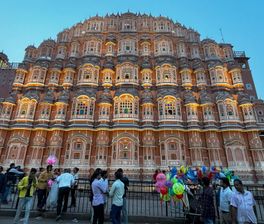
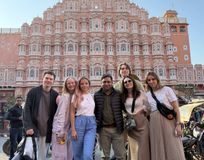
Hawa Mahal or Palace of the Winds: This is a mesmerizing architectural wonder of Jaipur. Built in 1799 by Maharaja Sawai Pratap Singh, its unique façade with 953 intricately shaped windows allowed royal ladies to view street festivities while maintaining privacy. This five-story honeycomb structure is a cultural gem.
Jal Mahal or Water Palace: This palace is an enchanting architectural gem in the middle of Man Sagar Lake in Jaipur. Built in the 18th century, the palace appears to float on the surface of the lake. With its red sandstone and intricate detailing, the Jal Mahal is a captivating testament to the Rajput style.
Jantar Mantar or Observatory: This is an astronomical observatory in Jaipur and a UNESCO World Heritage Site. Built in the early 18th century by Maharaja Sawai Jai Singh II, it contains a collection of architectural instruments for observing the heavens. This site showcases the ingenuity of Indian astronomers and is a historical testimony to scientific achievements.
City Palace: This is considered to be one of the 3 largest palaces of any royal family in Jaipur. This is a magnificent royal complex reflecting the fusion of Rajput, Mughal and European architecture styles. Built by Maharaja SawaiJai Singh II in the 18th century, it includes museums, courtyards and palace buildings. The palace is a living testimony to the royal history and cultural richness of Jaipur.
Between sightseeing in Jaipur there will be a stop for lunch and shopping. After sightseeing in Jaipur, you will be transferred to your hotel and relax.
Overnight stay in Jaipur.
День 5. Jaipur – Agra
Day 05
Jaipur – Agra
Another day, another incredible city awaits you, and today's journey will bring you one step closer to the icon we've all been waiting for - the magnificent Taj Mahal. Along the way, we'll stop at lesser-known treasures before recuperating for lunch and heading to our final destination of the day - Agra.
Chand Baoli Step Well: Located in Abhaneri village near Jaipur, this step well is an ancient step well dating back to the 9th century. With 3,500 symmetrical steps leading to the water level, it is an example of complex architecture. The well, surrounded by arched corridors, served as a reservoir for water and a respite fr om the desert heat.
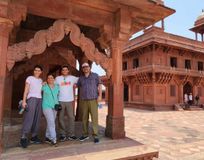
Fatehpur Sikri: This is a UNESCO World Heritage Site known for its exquisite Mughal architecture. Commissioned by Emperor Akbar in the late 16th century, the city served as the capital of the Mughals from 1571 to 1585. It is also known as a ghost town, abandoned for many centuries. It is also the place wh ere a Sufi mystic predicted the birth of a worldly heir, Prince Salim. The site reflects a unique combination of Hindu and Islamic architectural styles, demonstrating Akbar's vision of religious tolerance. Despite its short-lived fame, Fatehpur Sikri remains a powerful symbol of Mughal splendor and cultural synthesis.
Continue to Agra, upon arrival in Agra, check into your pre-booked room and relax.
Overnight stay in Agra.
День 6. Agra tour
Day 06
Agra tour
Agra, a city in northern India, boasts of a rich history dating back to ancient times. Known for the famous Taj Mahal, commissioned by the Mughal Emperor Shah Jahan in the 17th century as a mausoleum for his wife Mumtaz Mahal, Agra served as the Mughal capital until 1648. During this period, the city flourished as a cultural and architectural center, with notable structures such as the Agra Fort and Fatehpur Sikri. Agra's history also spans the medieval era, when it was a prominent center of trade and crafts. Today the city stands as a testament to its multi-faceted historical heritage and architectural wonders.
Start your day early at sunrise to visit the Taj Mahal with a professional guide. After visiting the Taj Mahal, return to the hotel for breakfast.
Taj Mahal at dawn: considered one of the most beautiful examples of expressing love for a woman. This marble mausoleum was built in the 17th century by Mughal Emperor Shah Jahan for his beloved wife Mumtaz Mahal, who died after giving birth. It took 22 years to build. This is something you should see once in your life as an individual.
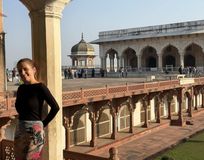
Agra Fort: The majestic fort is believed to be the first fort built by the Mughal Emperor in the 16th and 17th centuries in their first capital Agra, known as Akbarabad. There are huge ramparts, beautiful palaces of red sandstone and white marble, large halls for public and private audiences, Persian-shaped gardens with water channels and fountains. This fort is not to be missed when you are in Agra.
Etimad-ud-Daula: The Tomb of Itimad-ud-Daula in Agra, often called the "Baby Taj", is a masterpiece of Mughal architecture. Built in the 17th century by Nur Jahan for her father, it features intricate marble inlay and non-rebellious gardens. This smaller gemstone is considered the precursor to the greatness of the Taj Mahal.
Mehtab Bagh or Moonlight Garden: Located across the Yamuna River from the Taj Mahal in Agra, this beautiful moonlight garden offers a breathtaking view of the iconic monument. Built during the Mughal era, it is a char bagh (four-part garden) with lush greenery. The garden is the perfect place to admire the beauty of the Taj Mahal and capture the stunning reflections of the sunset.
After visiting the sights of Agra, return to your pre-booked accommodation and relax.
Overnight stay in Agra.
День 7. Agra – Orchha
Day 07
Agra – Orchha
After a delicious breakfast, you will be driven to your next destination - Orchha. This journey takes 3-4 hours with a stop halfway for refreshments. Upon arrival, check-in at your hotel and then explore Orchha and its beautiful places.
Orchha, a picturesque city located on the banks of the Betwa River in the heart of India, is a hidden gem that embodies the essence of India's rich history and architectural heritage. Orchha is also famous for its chhatris or cenotaphs, which are raised dome-shaped monuments dedicated to the Bundela rulers. Set against the backdrop of the river, these chhatris create a mesmerizing reflection during the golden hours of the day.
After lunch, visit the sights of Orchha.
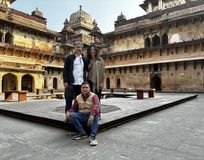
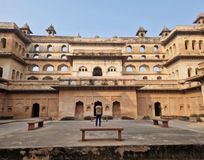
Orchha Fort: Built in the 16th century by Rudra Pratap Singh in Madhya Pradesh, it is a magnificent complex of palaces and temples. Notable structures include Jahangir Mahal, Raj Mahal and Rai Praveen Mahal, showcasing the exquisite Bundela architecture amidst picturesque surroundings along the Betwa River.
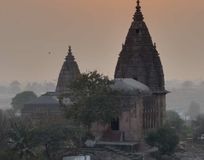
Royal Cenotaphs of Orchha: Situated on the banks of the Betwa River, are stunning monuments dedicated to the Bundela kings. Built in the 17th and 18th centuries, these 14 chhatris have intricate Mughal-style architecture and offer a tranquil, picturesque setting that reflects the grandeur and heritage of the royal family of Orchha.
After sightseeing, return to your hotel and relax.
Overnight stay in Orchha.
День 8. Orchha – Khajuraho
Day 08
Orchha – Khajuraho
After a delicious breakfast, you will be driven to your next destination i.e. Khajuraho. This journey takes 3-4 hours with a stop halfway for refreshments. Upon arrival, check into your hotel and then explore Khajuraho and its beautiful sites.
Khajuraho, located in the Indian state of Madhya Pradesh, is famous for its exquisite group of temples, collectively known as the Khajuraho Group of Monuments. These temples are a UNESCO World Heritage Site and are famous for their stunning and intricate erotic sculptures, which are among the most famous in the world. The history of Khajuraho is fascinating and dates back to the Chandela dynasty, which ruled the region from the 9th to the 13th centuries.
After lunch, start your Khajuraho city tour and visit
Eastern Group of Temples: In Khajuraho, Madhya Pradesh, displays a combination of Jain and Hindu architectural splendor. Predominantly Jain temples include the Parshvanatha, Adinatha and Shantinatha temples, known for their detailed carvings and exquisite sculptures depicting the Jain Tirthankara. Hindu temples such as the Brahma, Vamana and Javari temples are also noted for their remarkable craftsmanship and intricate stonework. Built between the 9th and 12th centuries by the Chandela dynasty, the group represents a unique combination of spirituality and art, reflecting the rich cultural and religious diversity that characterizes the historic temple complex of Khajuraho.
After sightseeing, return to your hotel and relax.
Overnight stay in Khajuraho.
День 9. Khajuraho - Chitrakoot
Day 09
Khajuraho - Chitrakoot
After a delicious breakfast, you will begin your city tour and visit the western group of temples.
Western Group of Temples: At Khajuraho, a UNESCO World Heritage Site, represents the pinnacle of Chandela dynasty architecture. Built between the 10th and 11th centuries, these temples are known for their intricate carvings and erotic sculptures. The famous Kandariya Mahadeva Temple, dedicated to Lord Shiva, stands out for its detailed stonework and towering shikhara. Other famous temples include the Lakshmana Temple, dedicated to Vishnu, and the Vishvanatha Temple. These temples represent a harmonious combination of spirituality, art and architecture, illustrating the artistic prowess of Chandela and the rich cultural heritage of the region, making them an important historical and tourist attraction.
After visiting the temples, you will be taken to Chitrakoot. The trip will take 04-05 hours with a stop at halfway for lunch.
Upon arrival in Chitrakoot, check into your pre-booked hotel and relax.
Overnight stay in Chitrakoot.
День 10. Chitrakoot – Varanasi
Day 10
Chitrakoot – Varanasi
Chitrakoot, a city located on the border of Uttar Pradesh and Madhya Pradesh, has religious and mythological significance. In Hinduism, it is revered as the place where Lord Rama, along with Sita and Lakshmana, spent eleven years of his fourteen-year exile. Historically, Chitrakoot was a center of spiritual and cultural activity, attracting saints and poets such as Tulsidas, who wrote parts of the Ramcharitmanas here. The area is dotted with ancient temples and sacred places such as Ramghat, Bharat Milap Temple and Kamadgiri Hill, reflecting its enduring legacy as a place of pilgrimage and a symbol of devotion and piety.
According to the epic Ramayana, Chitrakoot is the place where Bharat, the brother of Lord Rama, came to visit him and asked him to return to Ayodhya and rule the kingdom. It is believed that the supreme gods of Hinduism Brahma, Vishnu and Shiva incarnated here.
After a hearty breakfast at the hotel, you will begin your city tour of Chitrakoot before heading to Varanasi.
Ram Ghat: Situated on the banks of the Mandakini River, Ram Ghat is considered a sacred place in Hinduism. Legend has it that Lord Rama, Lord Lakshman and Sita took bath at this ghat during their exile. Attracting thousands of devotees every day, Ram Ghat is also one of the major tourist spots in Chitrakoot as it is a great destination for photographers who want to capture the culture of India as well as for culture lovers who want to learn about Hinduism.
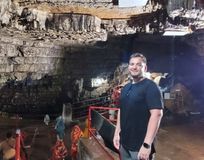
Gupta Godavari Caves: Of all the amazing places to visit in Chitrakuta, the Gupta Godavari Caves have a unique place in Hinduism. There are a number of myths associated with the caves, the main one being that Lord Rama and Lord Lakshman held court in this cave during their exile. At the entrance to the cave houses, sculptures of Brahma, Vishnu and Shiva are skillfully carved. This place is often visited by pilgrims due to its religious significance. The source of water inside the caves remains incomprehensible, which makes this place interesting for tourists as well.
Bharat Milap Temple: One of the most important temples for Hindus as it is the place where the historical Bharat Milap took place, which refers to the meeting of the four brothers - Ram, Lakshmana, Shatrughan and Bharat during the period of exile.
After visiting the religious site of Chitrakoot, you will be driven to Varanasi. The trip will take 03–04 hours with a rest stop halfway.
Upon arrival in Varanasi, check into your pre-booked hotel and relax.
Overnight stay in Varanasi.
День 11. Explore the oldest living city - Varanasi
Day 11
Explore the oldest living city in the world – Varanasi
They say you won’t see the soul of India until you explore Varanasi.
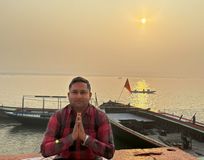
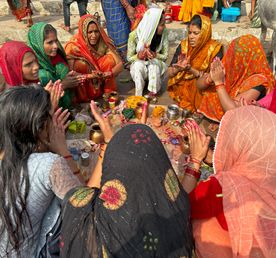
Varanasi, the spiritual heart of India, abounds with ancient mysticism along the sacred Ganges River. Its labyrinth of alleys house bustling markets full of silk, spices and devotion. Ghats, stone steps leading down to the river, witness rituals, prayers and cleansing baths in holy waters. The city echoes the resonance of temples displaying intricate architecture and religious worship. The soul of Varanasi thrives on a diverse mix of culture, art and timeless traditions. Fr om the enchanting Ganga Aarti to the tranquil sunrise boat rides, every moment in Varanasi tells a story, creating a timeless connection between spirituality, life and the eternal river.
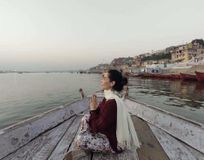
Start your day early with a boat ride and witness various activities taking place at several ghats of the Ganges River.
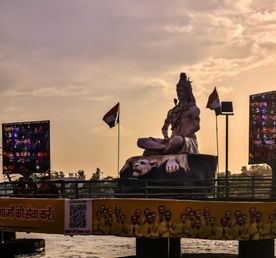
Manikarnika Ghat: It is located on the banks of the holy Ganges River in Varanasi, Uttar Pradesh and is one of the oldest and most revered cremation ghats in India. This has deep spiritual significance for Hindus, who believe that cremation at Manikarnika Ghat provides liberation from the cycle of rebirth. According to Hindu mythology, it is believed that Lord Shiva dropped his earring or "Manikarnika" here while roaming with Goddess Parvati, hence the name. The ghat is constantly full of funeral pyres burning day and night, symbolizing the eternal cycle of life, death and rebirth, making it a poignant and spiritually charged place for visitors.
Assi Ghat: Situated at the confluence of the Assi and Ganges rivers in Varanasi, Uttar Pradesh, it is a revered Hindu pilgrimage site and a vibrant cultural center. It is often visited by devotees for sacred rituals and ceremonies and is also a popular destination for spiritual seekers and tourists seeking tranquility.
Sarnath: It is located near Varanasi and is an important Buddhist pilgrimage site wh ere Lord Buddha first taught the Dharma. It houses the Dhamek Stupa, marking the site of Buddha's first sermon, and the Ashoka Pillar, symbolizing Emperor Ashoka's devotion to Buddhism. The tranquil atmosphere of Sarnath attracts visitors seeking spiritual enlightenment.
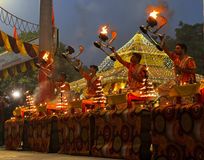
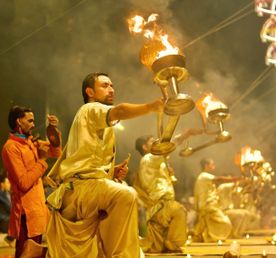
Evening Aarti: This is a mesmerizing Hindu ritual. Priests perform elaborate ceremonies involving fire, incense and chants, accompanied by the rhythmic ringing of bells. Devotees gather on the steps of the ghat, offer prayers and witness the spectacle, experiencing a deep sense of spirituality.
After sightseeing, you will be transferred back to your hotel to relax.
Overnight stay in Varanasi.
День 12. Varanasi – Ayodhaya
Day 12
Varanasi – Ayodhaya
After a hearty breakfast at the hotel, you will be driven to Ayodhaya, the last destination but the most popular among all. The trip will take 05-06 hours with a stop halfway for lunch. Upon arrival in Ayodhaya, check into your pre-booked hotel and relax.
Later in the evening, go out and witness the evening aarti on the banks of the Saryu River.
Evening Aarti in Ayodhya: Evening Aarti on the Saryu River in Ayodhya is a soul-stirring Hindu ritual. As the sun sets, priests dressed in traditional robes perform a sacred ceremony with incense, lamps and chants, invoking divine blessings. Devotees gather on the banks of the river, offer prayers and witness the enchanting spectacle. The flickering flames reflected in the calm waters create a mesmerizing atmosphere that evokes a deep sense of spirituality and reverence. This cherished tradition not only honors the river but also symbolizes the ancient city's rich cultural heritage and unwavering devotion to Lord Rama, making it a truly divine experience for all.
After experiencing Aarti on the banks of the Saryu River, you will return to your hotel and relax.
Overnight stay in Ayodhaya.
День 13. Tour of Ayodhaya & Later Fly back to Delhi
Day 13
Tour of Ayodhaya and then fly back to Delhi
Ayodhya in Uttar Pradesh is among the many ancient cities of India that have a glorious past to boast about. Situated along the Sarayu River, Ayodhya is popular as a major pilgrimage site in Hinduism and is revered as the birthplace of Lord Ram, the seventh avatar of Lord Vishnu, who is also considered an ideal man with his virtues and behaviour. The Ram Janmabhoomi of Ayodhya, the main destination for Ram's followers, attracts crowds of them every year. It is also believed that this land was the residence of Goswami Tulsidas, the author of the venerable Ramcharitmanas. The soil and culture of Ayodhya is also influenced by many Nawabs who once ruled the wonderful city called Awadh.
After a hearty breakfast at your hotel, you will begin your city tour of Ayodhya before your flight back to Delhi.
Ram Kot: One of the best places to visit in Ayodhya is Ram Kot. This is the site of an ancient citadel which was once the fort of Lord Ram. Ramkot, built on a higher ground than the rest of the city, offers stunning views of the entire Ayodhya and its ghats, making it one of the popular places to explore in the city. Replete with numerous temples and shrines, Ramkot is a major religious site in Ayodhya where pilgrims fr om all over the world come to make offerings to Lord Ram.
Ram Janmabhoomi is considered one of the most important pilgrimage sites in India for followers of Hinduism. Ram Janmabhoomi, one of the 'Sapta Puris' or the seven holiest Hindu places in the country, is revered as the birthplace of Lord Ram. According to the Ramayana, Lord Ram was born on the banks of the Sarayu River in Ayodhya. After a long series of political controversies going on for years, Janmabhoomi will finally witness the glory of the magnificent Ram Mandir on its soil and will be a boon for the religious tourism of the city.
Hanuman Garhi: Dedicated to Lord Hanuman, an ardent follower of Lord Ram, Hanuman Garhi, a popular pilgrimage site in Ayodhya, resembles a fort and can be reached by climbing 76 steps. It is believed that Hanuman Garhi, located in the center of the city, is the place from wh ere Lord Hanuman protected the city. The temple is one of the best places to explore in Ayodhya. It should be visited in front of the Ram Temple. Inside the main temple, numerous statues of Lord Hanuman with his mother can be seen in the cave. When he was transporting a mountain of medicinal herb Sanjeevani to Lanka, part of it fell here in Ayodhya, giving rise to Mani Parvat. The hilltop is home to various shrines dedicated to Lord Ram, making it a must-visit travel destination during your Ayodhya tour. Due to its importance to Buddhism, the hill is home to a stupa built by Emperor Ashoka as well as a Buddhist monastery.
Tulsi Samarak Bhavan: Tulsi Smarak Bhawan, famous for its Ramcharitmanas, is dedicated to the great poet Goswami Tulsidas, who is said to have composed the text while at this place. Tulsi Smarak Bhavan, a popular attraction during the Ayodhya tour, organizes prayers and religious meetings and also displays the works of Tulsidas. The Bhavan also has a museum dedicated to collecting and displaying artefacts related to Lord Ram. The main attraction of the center is the Ramlila, which is performed daily in the evening and attracts many devotees.
After visiting the newly built temple and other attractions of Ayodhaya, you will be dropped off at the airport and board your flight to Delhi.
On arrival in Delhi, our representative will greet you and then you will be transferred to your pre-booked hotel in Delhi.
Overnight stay in Delhi.
День 14. Departure from Delhi
Day 14
Departure from Delhi
Your journey of amazing experiences will stay with you as your trip to India comes to an end today. We hope you leave India with a big smile and a heart full of memories of sparkling palaces, sacred rituals on the Ganges and ancient temples, and some of the most delicious food of your life as you head to Delhi International Airport for your onward flight.
Спокойный отдых без лишних перемещений с активностями в рамках одной локации. Подходит для любого уровня физической подготовки
Включено в стоимость
Включено
14 ночей в отеле 4* при одноместном и двухместном размещении с завтраком.
Встреча, трансфер и осмотр достопримечательностей на частном автомобиле с кондиционером.
Сопровождающий гид на вашем языке.
01 Перелет Айодхая - Дели.
Вся плата за парковку, государственный налог, налог на дорожные сборы, топливо и т. д.
Не включено
Входная плата за памятник.
Все, что не упомянуто в приведенных выше включениях.
Чаевые гиду и водителю.
Проживание
Отели 4*
Комфорт
Высокий
Проживание в отелях 3* или домах/квартирах. Для тех, кому важен комфорт во время поездки
Варианты размещения
1-местный номер
2-x местный номер
Важно знать
Подготовка к туру
Для входа в памятники необходимо иметь при себе удостоверение личности с фотографией.
Носите что-нибудь, закрывающее плечи и колени.
Носите удобную обувь для ходьбы.
В этом туре мы будем использовать другой вид транспорта.
для 0—20 человек мы будем использовать седан.
для 03 - 04 человек мы будем использовать внедорожник.
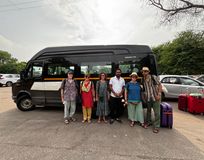
для 05 — 10 человек мы будем использовать Tempo Traveller.
Условия отмены
Если вы отменяете бронирование в течение 24 часов после оплаты, мы вернём 100% оплаченной суммы.
Если вы отменяете бронирование позже, чем через 24 часа после оплаты, сумма возврата рассчитывается индивидуально. Из оплаченной суммы, переведённой через платформу или напрямую тревел-эксперту, могут быть удержаны расходы, которые организатор уже понёс при подготовке тура и может подтвердить документами.
Максимальный размер удержания зависит от того, за сколько дней до начала тура вы отменяете бронирование:
в любой срок до начала тура — до 15% от стоимости тура.
Также вы можете договориться с тревел-экспертом о переносе тура на другие даты или о сертификате вместо возврата.
Если тур отменяет тревел-эксперт, мы возвращаем 100% оплаченной суммы.
Сумму предоплаты определяет тревел-эксперт, она отображается под кнопкой Забронировать. Для большинства туров предоплата не превышает 50% стоимости тура. За 24 часа до начала тура необходимо оплатить тур полностью, если иное не прописано в информации о туре. Полная оплата может осуществляться через платформу или напрямую тревел-эксперту. При возникновении сложностей с оплатой обратитесь в службу поддержки сервиса.
Как забронировать
Выберите даты и нажмите на кнопку забронировать. Вы сможете быстро и безопасно оплатить тур банковской картой. Туры с моментальным бронированием подтверждаются автоматически. В остальных случаях вы резервируете место в группе внесением предоплаты, и тревел-эксперт одобряет вашу заявку в течение 24 часов. Если заявка будет отклонена, мы моментально вернем предоплату. До бронирования вы можете задать свои вопросы автору тура.
Мы используем файлы cookie и Рекомендательные технологии для улучшения работы сайта. Продолжая пользоваться сайтом, вы соглашаетесь на использование файлов cookie.